First, find the collection
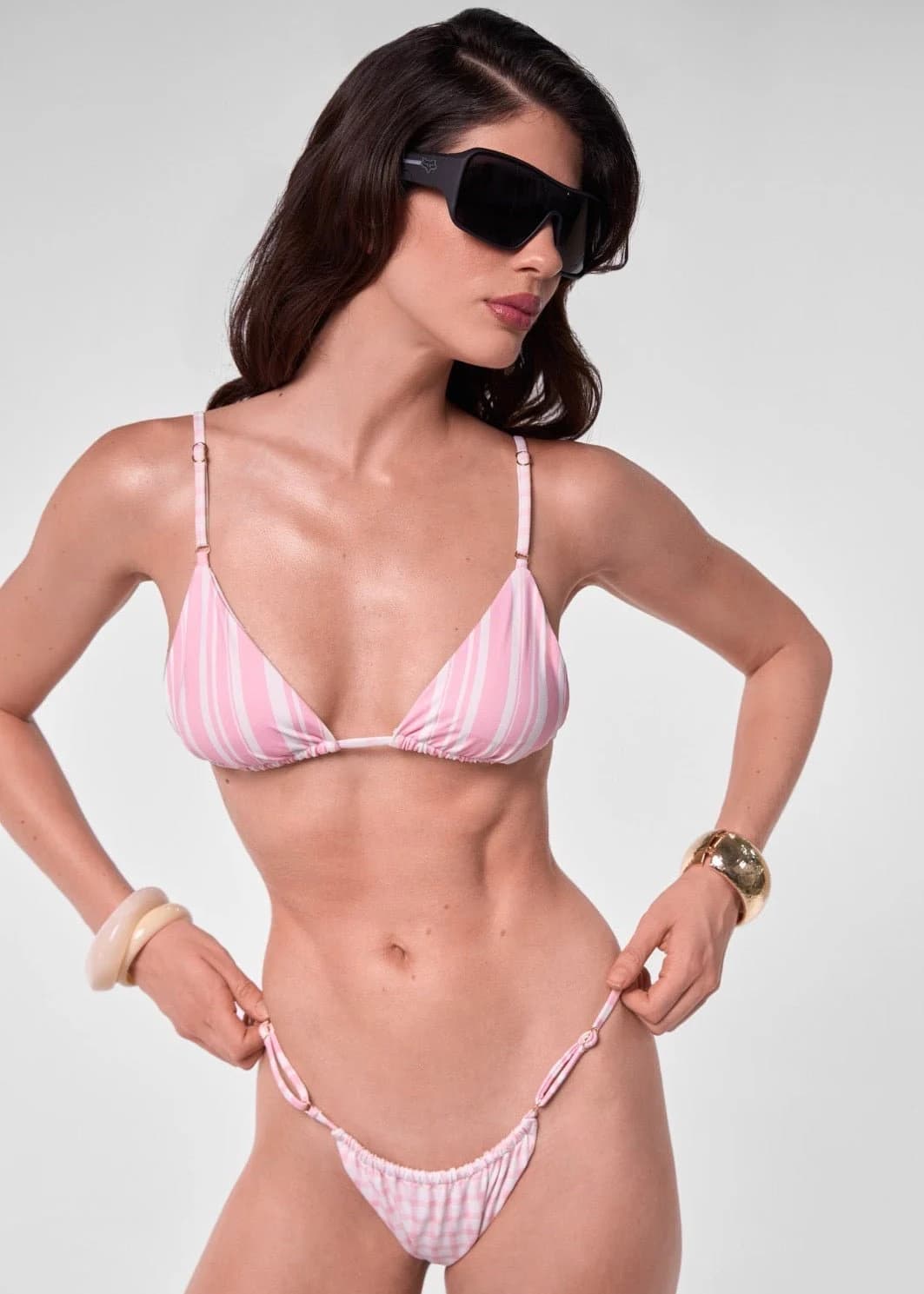
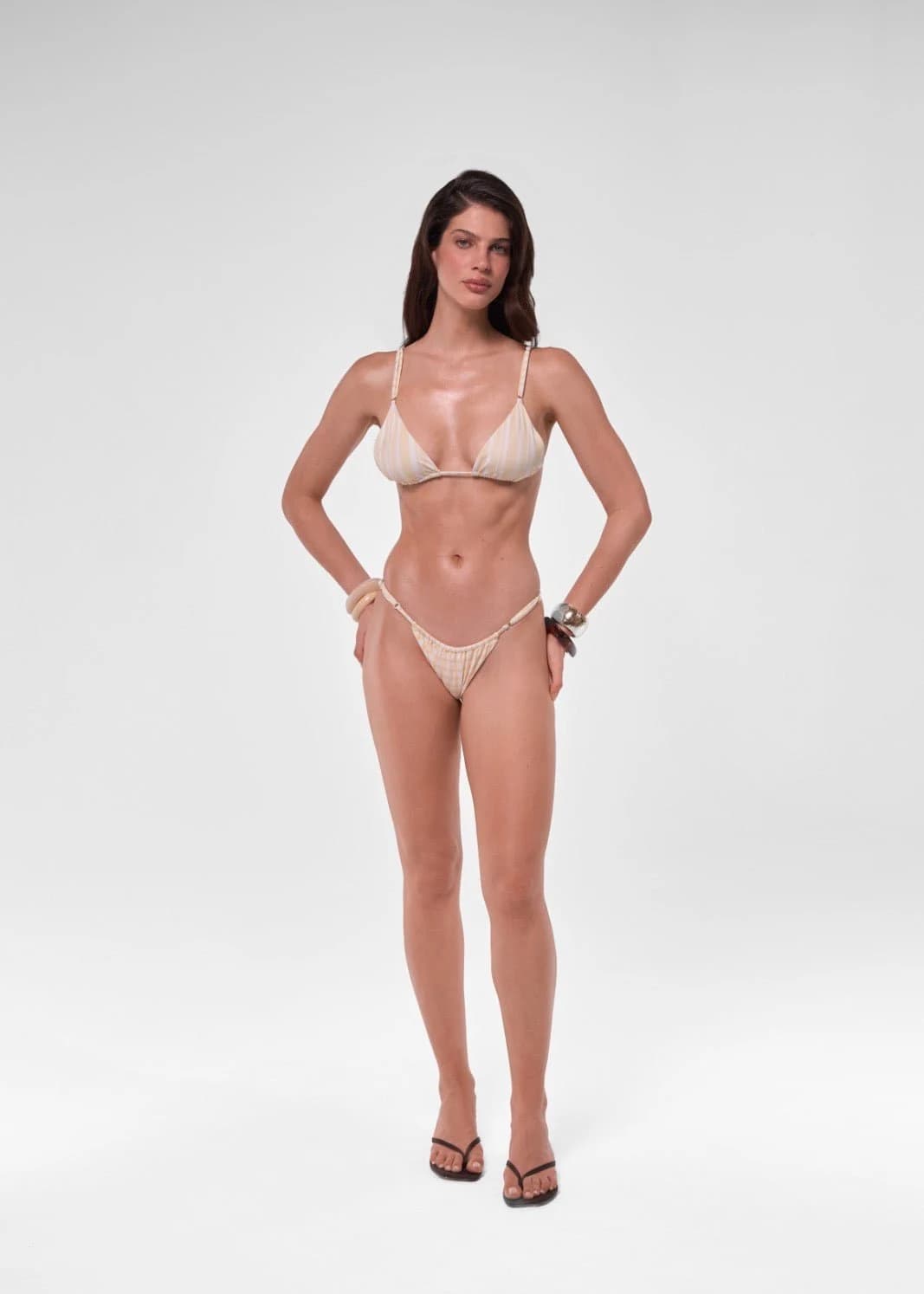
The customer starts by asking to see the Hulu styles. LoBot introduces the line and describes the Basket options in Butter, Candy and Blue, with a triangle top and a minimal-coverage bottom. The first task is helping the customer find her way through the catalog.
The public example shows products with photos and information to continue. The design names become references that let a later question connect to a specific piece.
Can you show me the Hulu styles?
Next, understand ‘this one’
The next question relies on context: the customer wants a cover-up for the selected product. LoBot connects the Hulu Butter Basket Set to the Mesh Butter Basket Cover and explains that they share a print.
The recommendation is specific: it identifies the complementary piece and describes its side tie and material. The answer explains the relationship between the pieces without presenting the cover-up as included in the set.
For the Hulu Butter Basket Set, we have the Mesh Butter Basket Cover: a printed mesh wrap that ties on one side and is the ideal match for that print.
The customer expresses intent to order
After the recommendation, the customer says she would like to order the swimsuit and cover-up. That statement is evidence of commercial progress in the shared conversation.
The published material does not contain payment confirmation or aggregate sales results. This case therefore describes the observable steps of guidance and selection without attributing revenue, conversion or a completed purchase.
Great, I’d like to order the swimsuit and the cover-up, please.
Explain the size while keeping both products in context
The conversation continues with sizes for the set and cover-up. When the customer asks what SM means, LoBot explains the combined size and connects it to the adjustable side tie.
The lesson for a brand is to document what makes each garment specific. Explaining a combined size requires information about that product. Distinguishing the top, bottom and matching piece also helps keep their options separate.
SM is a combined size that fits both S and M. Since the wrap ties on one side, you can adjust it to your measurements.
What to apply to your own collection
Prepare consistent product names, clear relationships between garments and matching pieces, and product-specific sizing explanations. During a demo, check that the agent keeps the reference when someone says ‘this one’ and can explain why two pieces work together.
These are translated excerpts from a real conversation, shortened for SellEasy’s public demonstration. Prices and sizes from that exchange are historical and subject to change; they do not represent current availability.